Plan Your Long Campus Day in New York Without Overpacking
A full campus day in New York can involve more movement than students expect. Classes, libraries, internships, meetings, study sessions, and evening plans may all happen in one continuous stretch, sometimes with no easy chance to return to a residence hall or apartment.
The best approach is not to prepare for every possible situation. It is to pack for the actual shape of the day: where students need to go, what each stop requires, how much walking or transit is involved, and which items will become unnecessary weight after the first few hours.
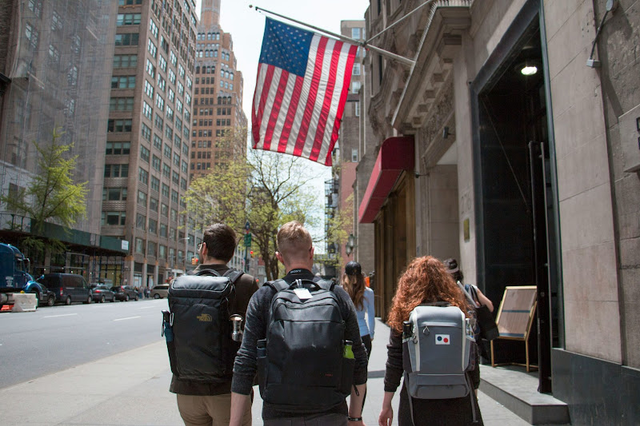
Map the Shape of Your Day
Before packing, students should outline the order of their day: classes, library time, meetings, internships, meals, and evening plans. Seeing the full route in advance makes it easier to decide what belongs in the bag and what can stay behind, especially when returning to housing is not realistic.
Transit also affects packing choices. Walking distance, subway transfers, stairways, crowded platforms, and weather can make a bag feel heavier by the afternoon, so a lighter packing plan gives students more flexibility when routes change or delays appear.
Pack for Access, Weather, and Academic Needs
Campus buildings, libraries, residence halls, and event spaces often have their own access rules. Students should keep identification, payment methods, and frequently used items easy to reach, rather than buried under books or electronics. Some buildings or venues may also have bag policies, especially during busy hours or special events.
Keep Daily Essentials Within Easy Reach
Place a university ID, contactless payment card, phone, keys, and any required access items in an outer pocket or small pouch. This makes it easier to enter buildings, pay for transit or food, and respond quickly if plans change.
A small pouch also prevents the “backpack shuffle” at doorways, security desks, or subway entrances. Items used several times a day should not sit at the bottom of the bag.
Bring the Right Academic and Tech Kit
Students should carry only the device needed for the day’s actual work. A laptop or tablet, compact charger, headphones, and one notebook are usually more practical than multiple devices and extra accessories.
Before leaving, it helps to download readings, slides, or notes in advance. This reduces the need to carry printed materials and prevents problems if Wi-Fi is weak during transit or between buildings.
Prepare for New York's Variable Weather and Transit
New York weather can shift between sun, wind, humidity, rain, and cold indoor air-conditioning in the same day. A compact umbrella, light layer, and protective sleeve for electronics can cover most situations without adding too much weight.
Students should also check transit alerts before leaving. A reroute or delay can add extra walking time, which matters more when carrying a full bag.
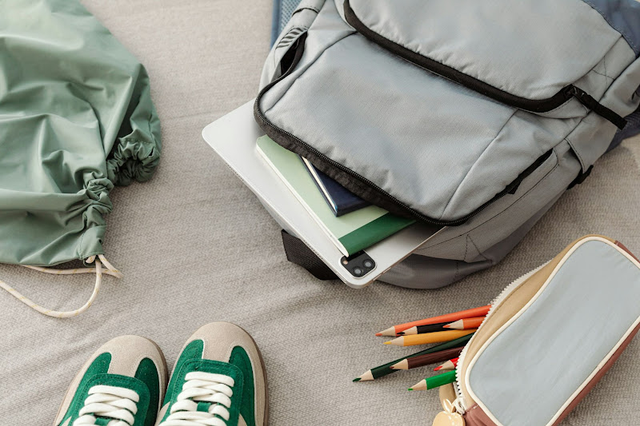
Keep Your Backpack Light Without Compromising Preparedness
A useful packing system separates essentials from optional items. The goal is to stay prepared without carrying everything “just in case.”
A practical daily list may include:
- Access and payment: university ID, keys, contactless card or phone payment, small amount of cash.
- Study basics: laptop or tablet, compact charger, one notebook, pen, necessary readings saved offline.
- Personal essentials: medication, lip balm, tissues, hand sanitizer, earbuds, small snack.
- Weather and comfort: compact umbrella, light layer, sunglasses, reusable water bottle.
- Situational items: gym clothes, event outfit, printed documents, or extra shoes only when clearly needed.
Separate Must-Haves from Nice-to-Haves
A single refillable water bottle is usually more practical than carrying several drinks. Digital files can replace heavy folders, and one compact charger is often enough if devices are charged overnight.
Item Type | Essential Example | Optional Example | Smarter Choice |
Identification | University ID, keys | Extra cards or documents | Keep ID in an easy-access pocket |
Electronics | Laptop or tablet, compact charger | Second device, large charger, extra cables | Carry one main device when possible |
Study materials | One notebook, saved readings | Full textbooks, printed packets | Use digital copies for long days |
Weather | Compact umbrella, light layer | Heavy coat on mild days | Choose layers that fold easily |
Food and drink | Refillable bottle, small snack | Full meal containers all day | Plan meals around campus or city stops |
Personal care | Medication, tissues, sanitizer | Full toiletry pouch | Use travel-size basics |
Clothing | One needed change, if scheduled | Extra outfit “just in case” | Pack clothing only for confirmed plans |
Utilize Campus Spaces Between Commitments
Some campus buildings, libraries, lounges, or student centers may offer places to pause between commitments. Availability, rules, and hours can vary, so students should check posted guidance instead of assuming that storage or unattended belongings are allowed.
Open seating areas are not a safe substitute for storage. Bags, laptops, and personal items should stay with the student unless a designated and permitted storage option is available.
Consider Temporary Bag Storage for Long Gaps or Evening Plans
Temporary storage can be helpful when students have a long gap between commitments or need to move around the city after class. This is especially useful before an evening event, after checkout, between an internship and travel, or when carrying a suitcase would make the day harder.
In such cases, services like Qeepl points can be integrated into existing transit routes. The best option is usually one close to a subway line, meeting location, station, or evening destination, so students do not add another long detour to the day.
Navigating Between Classes, Libraries, Internships, and Meetings
Moving around New York is easier when students treat transit as part of the schedule, not empty time between plans. Subway rides, transfers, elevator access, crowded entrances, and short walks can all affect how much a person can comfortably carry, so it helps to review the route before leaving.
Using one contactless payment method can simplify transit and make expenses easier to track. Students should also check service alerts and leave buffer time between major stops, because a missed train, rainstorm, or crowded platform can quickly turn a tight schedule into a rushed one.
Plan Food, Breaks, Transit, and City Excursions Around Your Schedule
Food and break planning can make a long day much easier. Students should think about where they can refill water, eat comfortably, use restrooms, and take a short pause without carrying unnecessary containers all day.
Building policies vary, so it is better to avoid assuming that food is allowed everywhere. Libraries, classrooms, labs, and event spaces may have different rules. A small snack is usually more practical than a full meal container when the day includes several indoor stops.
Students can also reduce stress by planning breaks around places they already need to visit: a library between classes, a dining stop before a meeting, a restroom break before a long subway ride, or a quick bag check before heading into the city. A long campus day feels lighter when the schedule leaves room for basic needs, not just academic ones.